
Ralf Dreier
With my pictures, I want to convey feelings and moods above all else. That’s why I don’t try to tell a story with them.
They reflect the moods and feelings I experience when I look at a landscape I want to photograph. It’s about relaxation
and letting go of everyday problems. However, I see it as a positive thing if a story develops in the viewer’s mind. If
they link my pictures to their own memories and moods, this story becomes something very personal to them.
However, there is a difference between looking directly at a landscape and just looking at a picture of it. In the
landscape itself, our brain is able to block out anything that distracts or disturbs us. For example, when we see an
impressive rock in the sea, we no longer notice the undergrowth at our feet. But this doesn’t work with a photograph.
Often, even small details distract us and prevent us from finding the necessary peace and relaxation to engage with the
image and allow the feelings and moods to wash over us. In my pictures, I therefore try not to include any of these
distracting elements in the first place. In my minimalist black-and-white pictures, for example, I achieve this by
choosing a frame in which the main subject is surrounded by larger areas without any significant content.
My favourite subjects are mainly landscapes and architecture, although there is often no clear dividing line between
the two. I prefer open landscapes that allow the eye to wander into the distance. In my view, this helps to detach one’s
thoughts somewhat from the realities of everyday life. However, I do not limit myself to these two subjects in my
pictures. For me, it is important to have a strong main motif and then to set it in a minimalist environment.
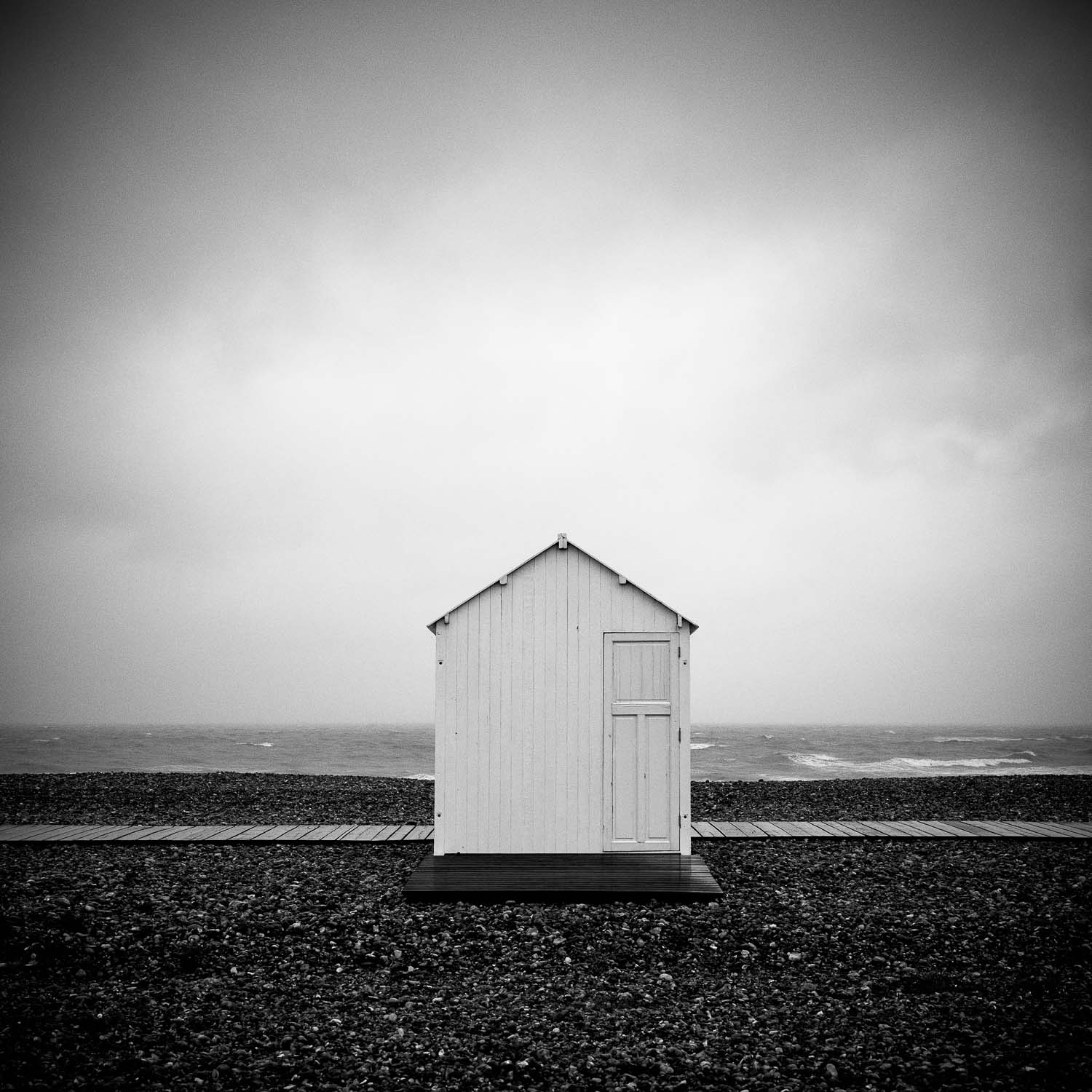 'Beach Hut' by Ralf Dreier | 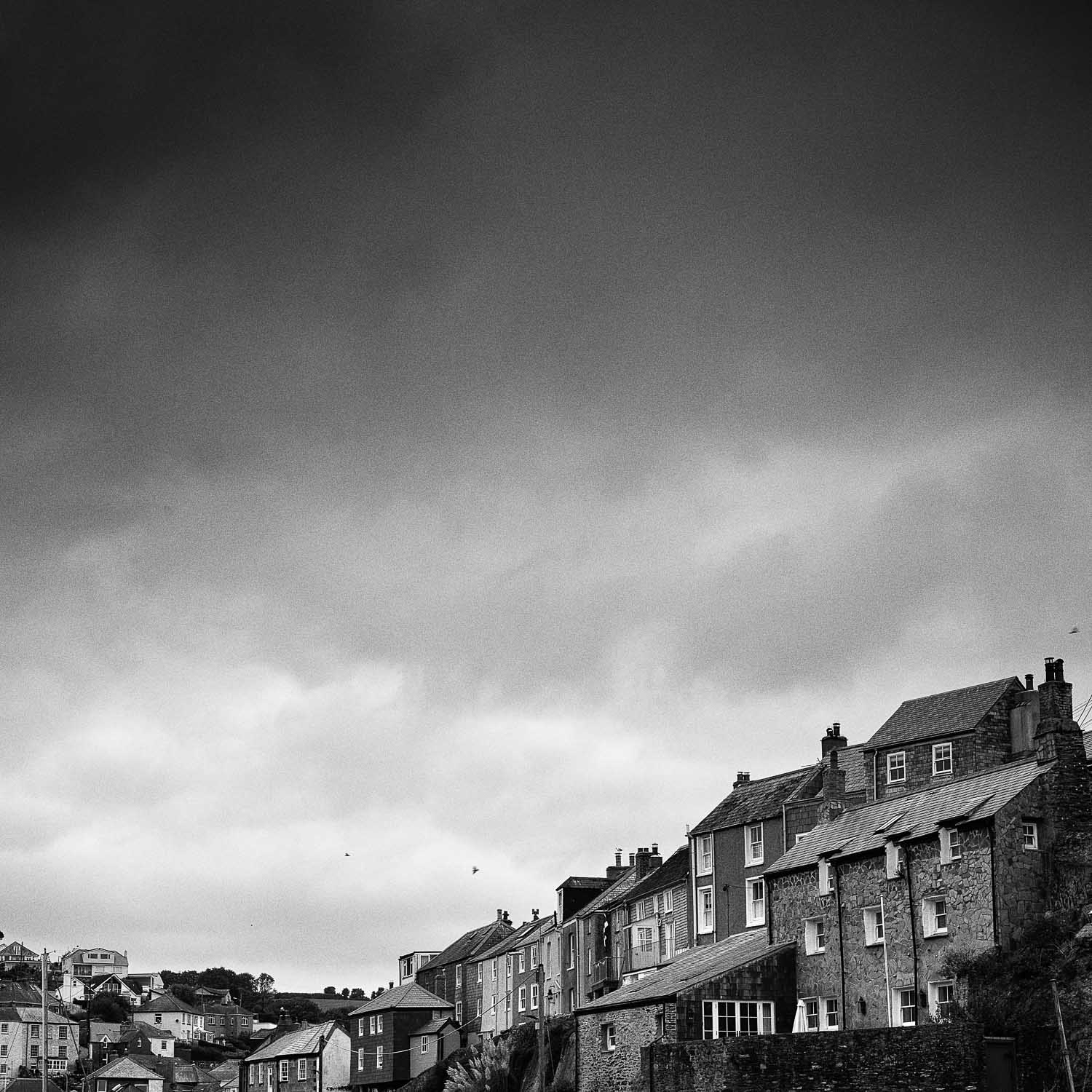 'Dark Sky Over Mevagissey' by Ralf Dreier | 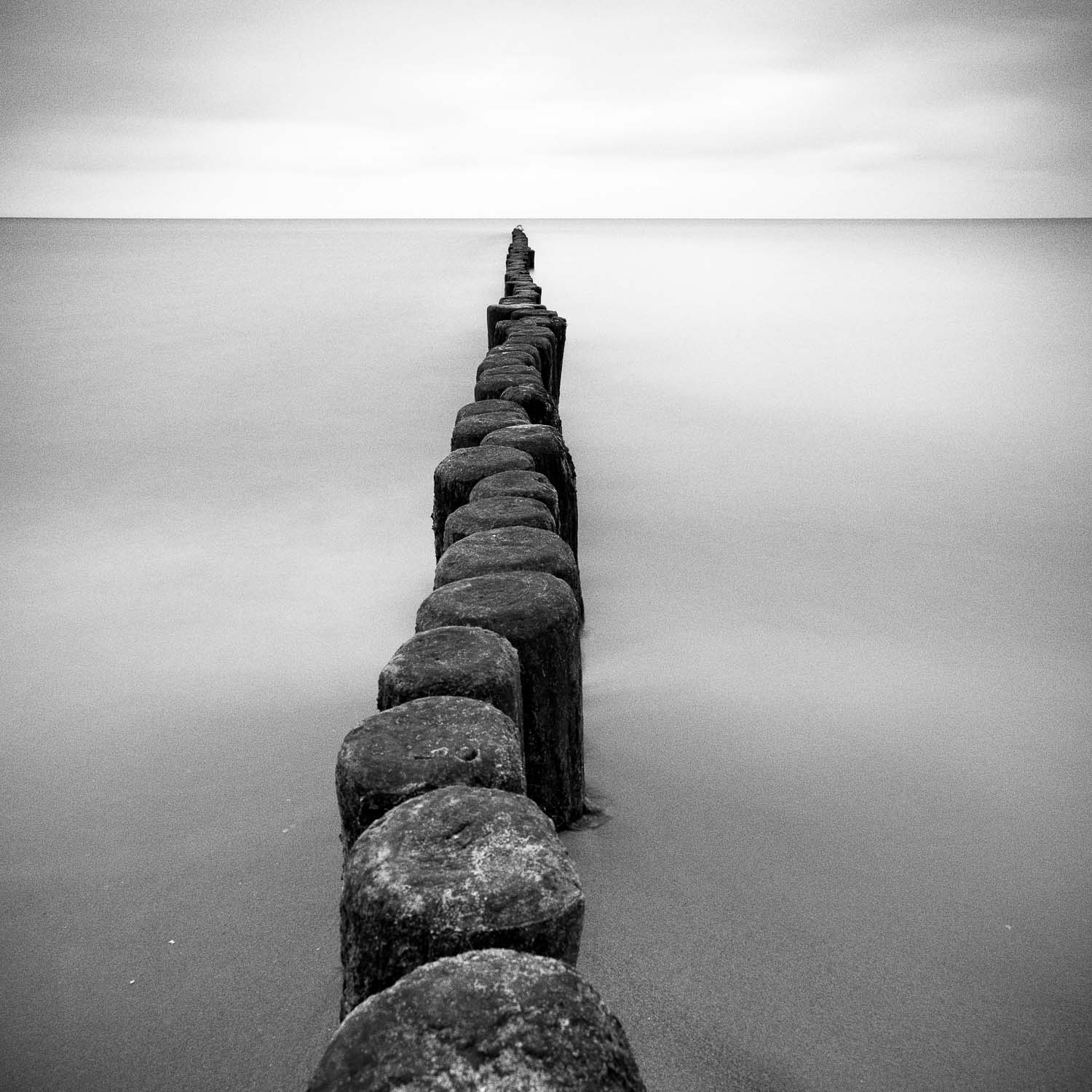 'In Line' by Ralf Dreier |  'Rock Pool' by Ralf Dreier | 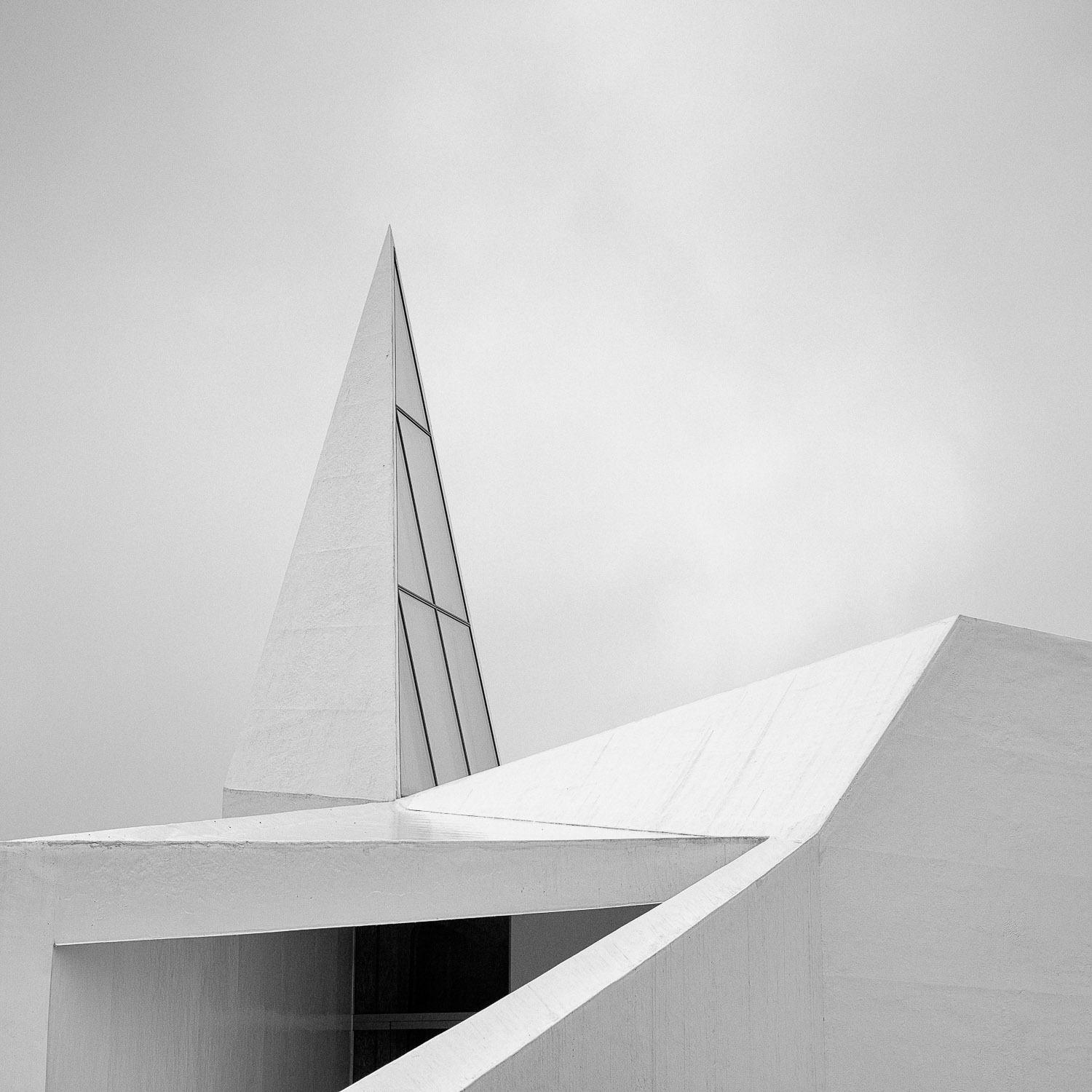 'Motorway Church' by Ralf Dreier | 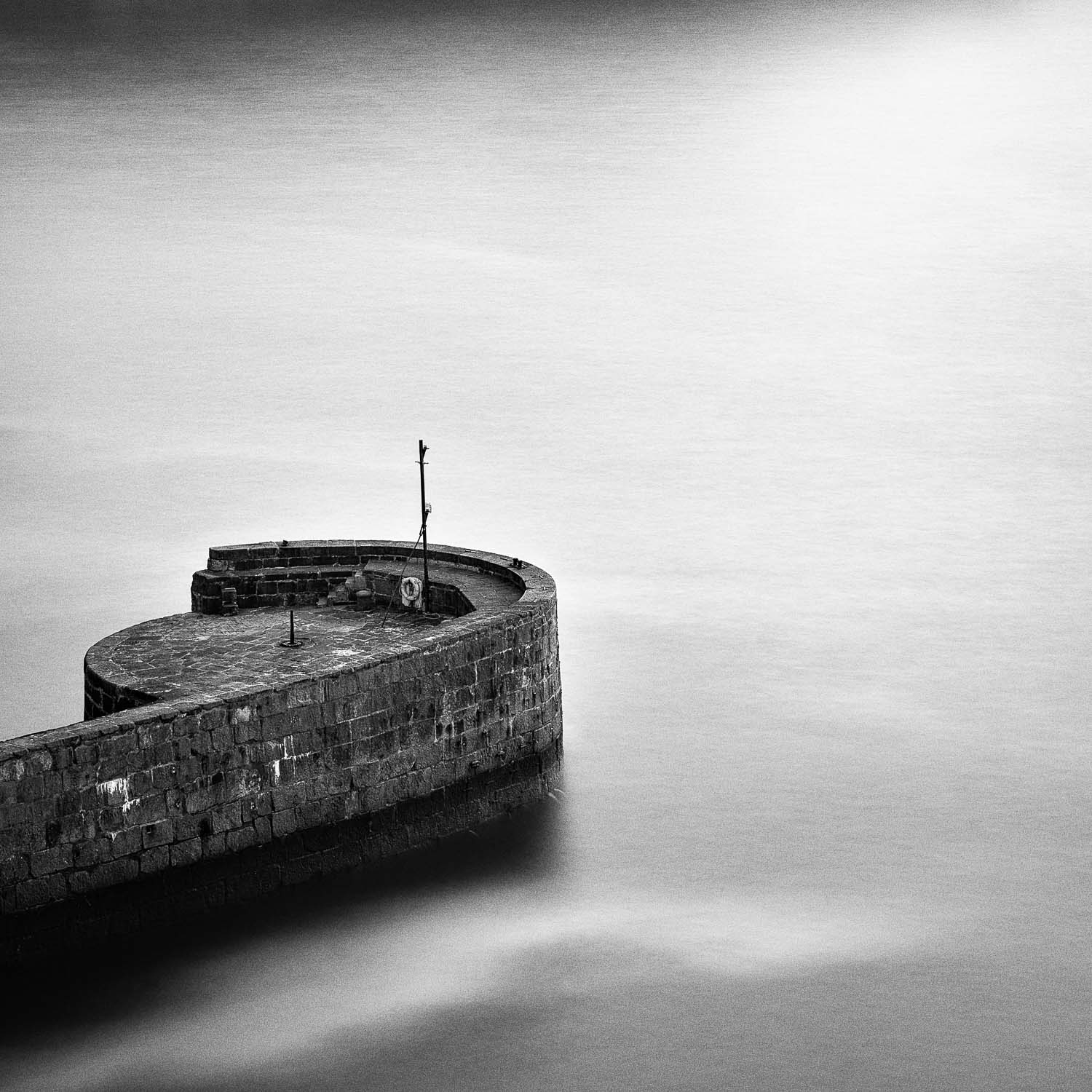 'Charlestown Harbour Wall' by Ralf Dreier | 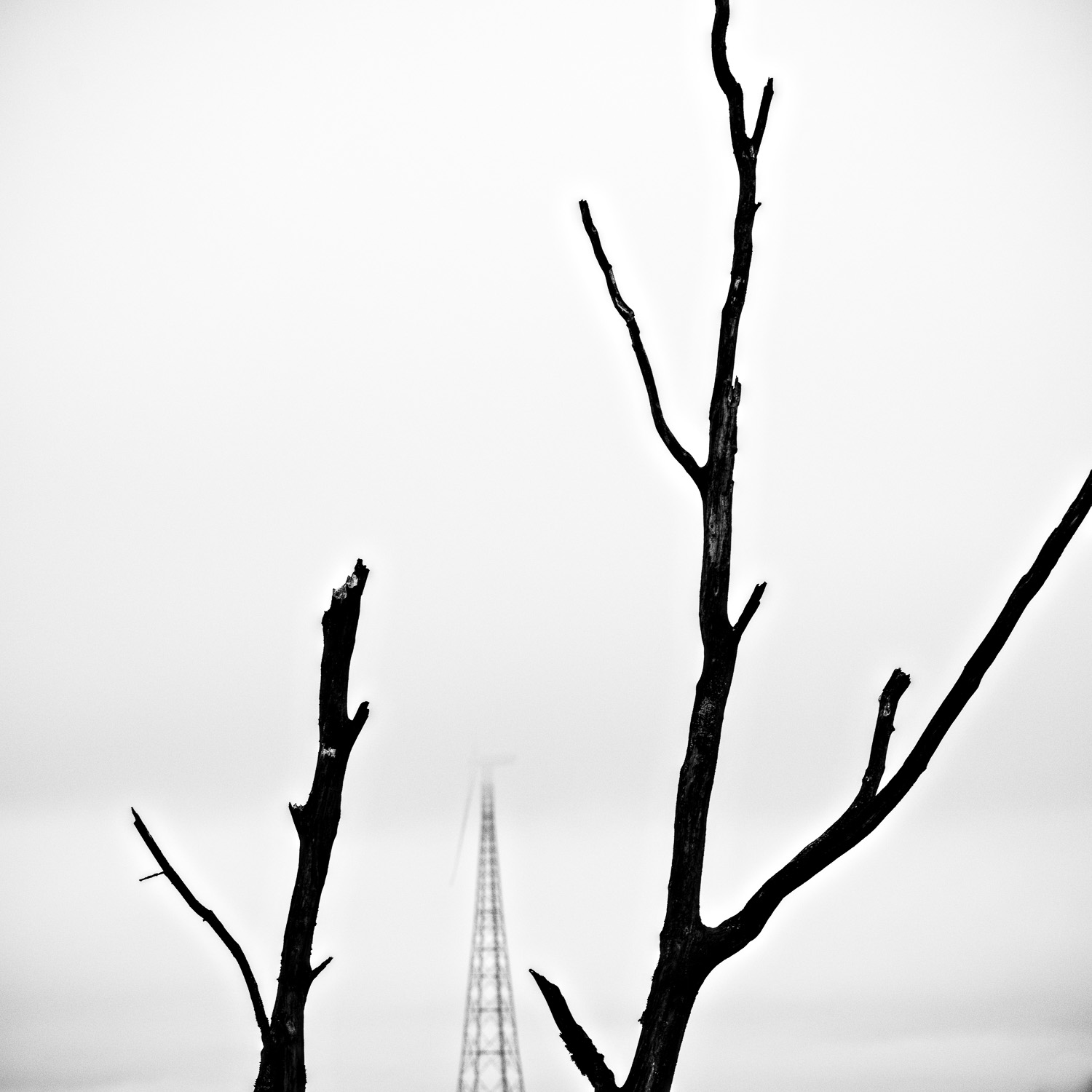 'Wind Turbine in the Fog' by Ralf Dreier |  'Architectural Symmetry' by Ralf Dreier | 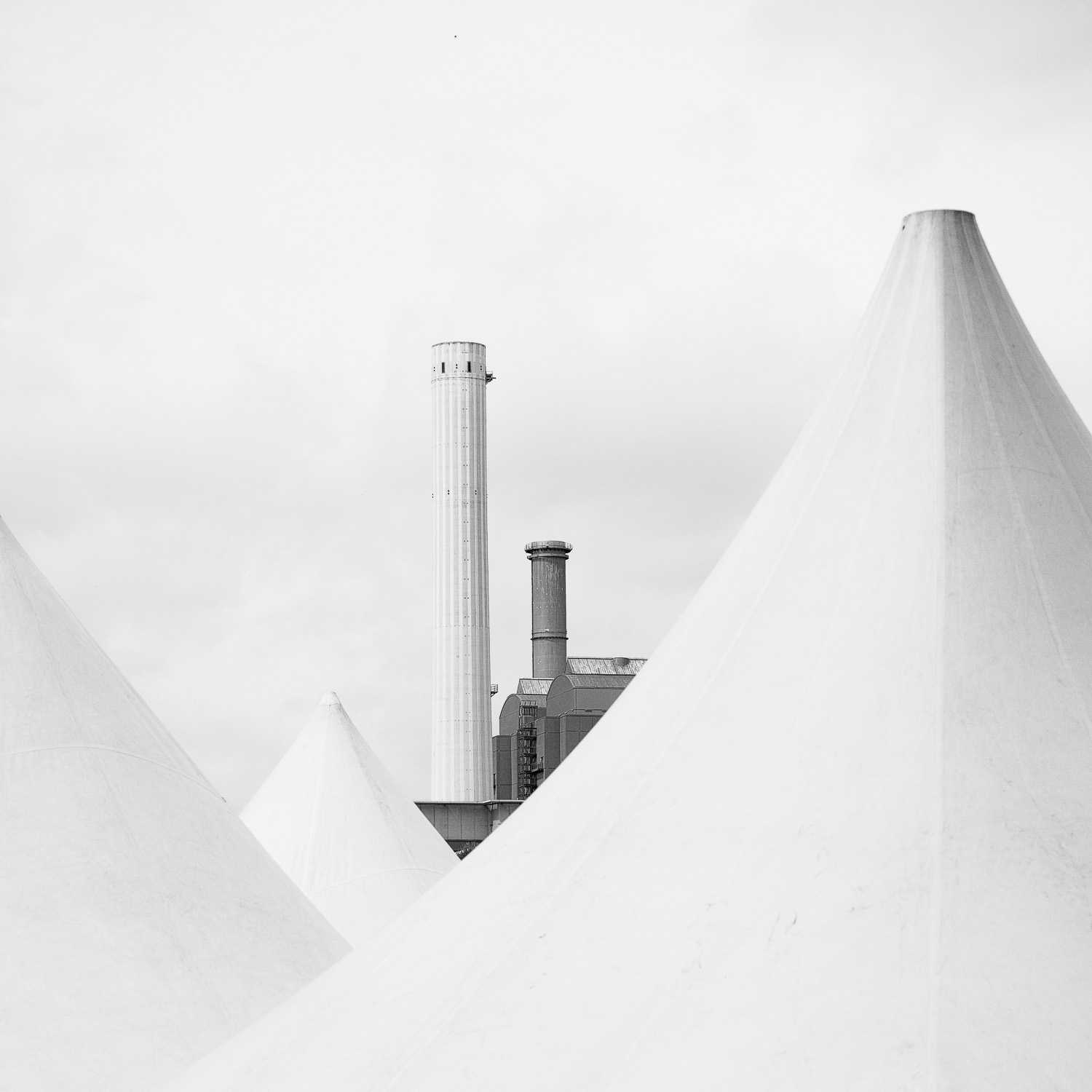 'Chimneys' by Ralf Dreier | 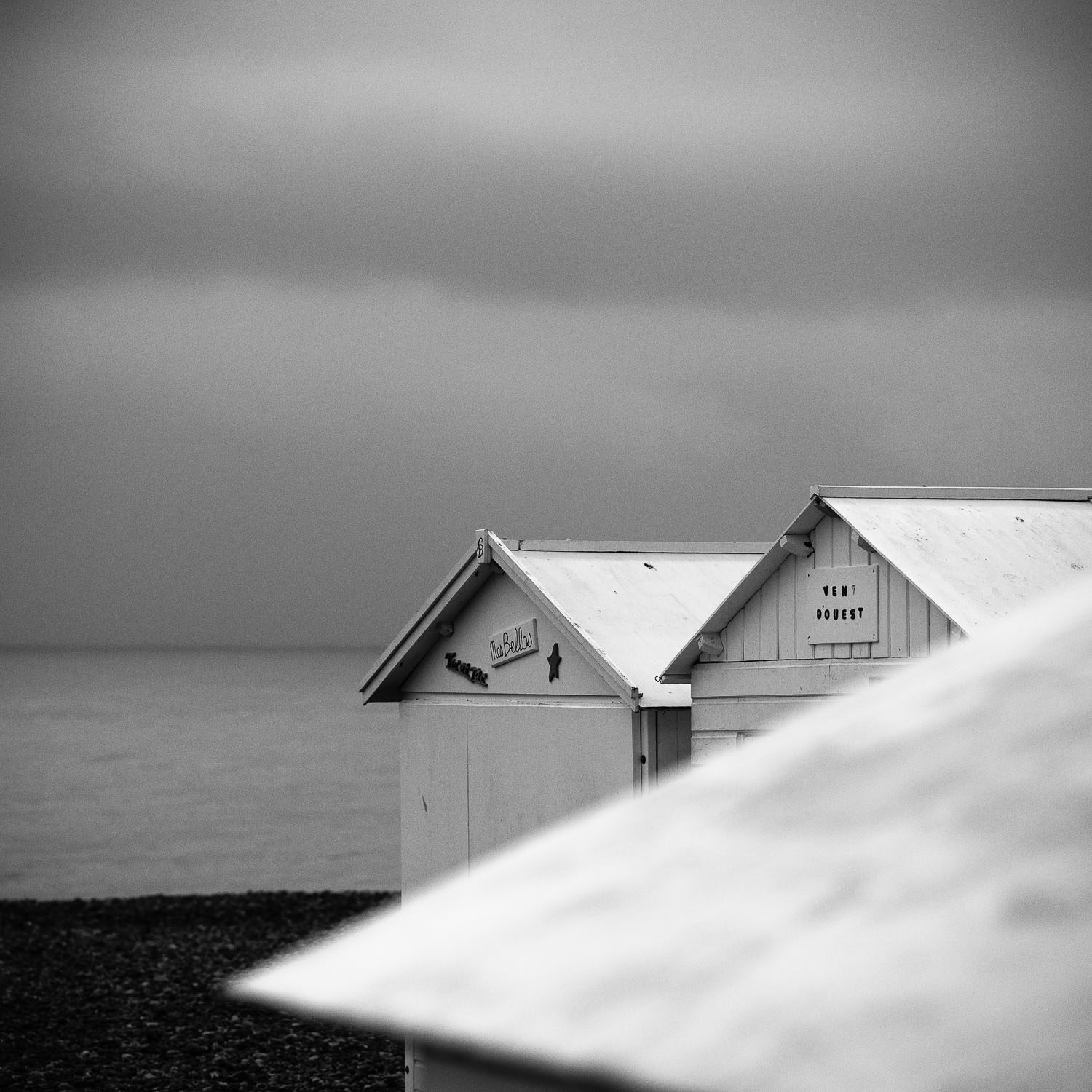 'Beach Huts in Rain' by Ralf Dreier | 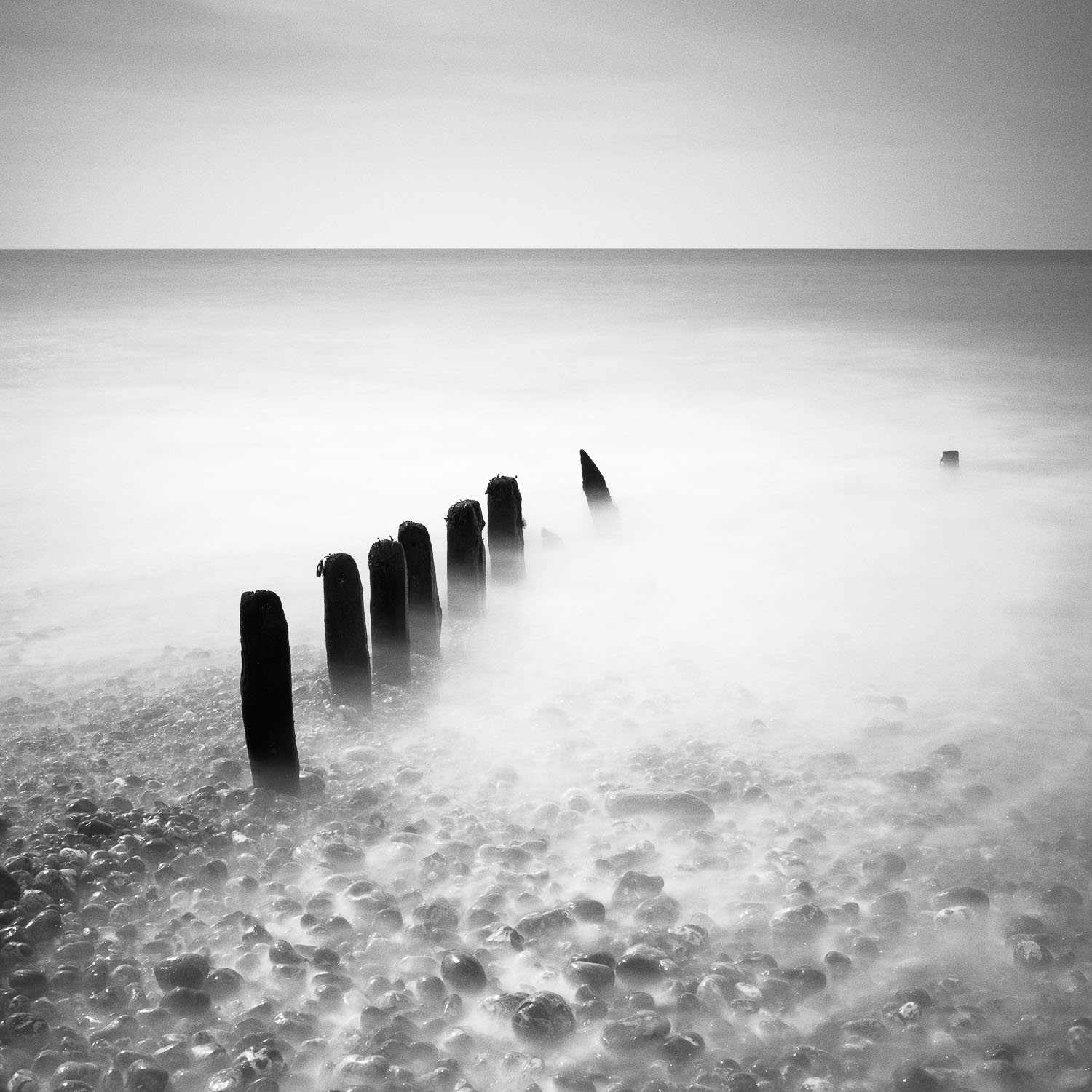 'Blurred Waves' by Ralf Dreier | 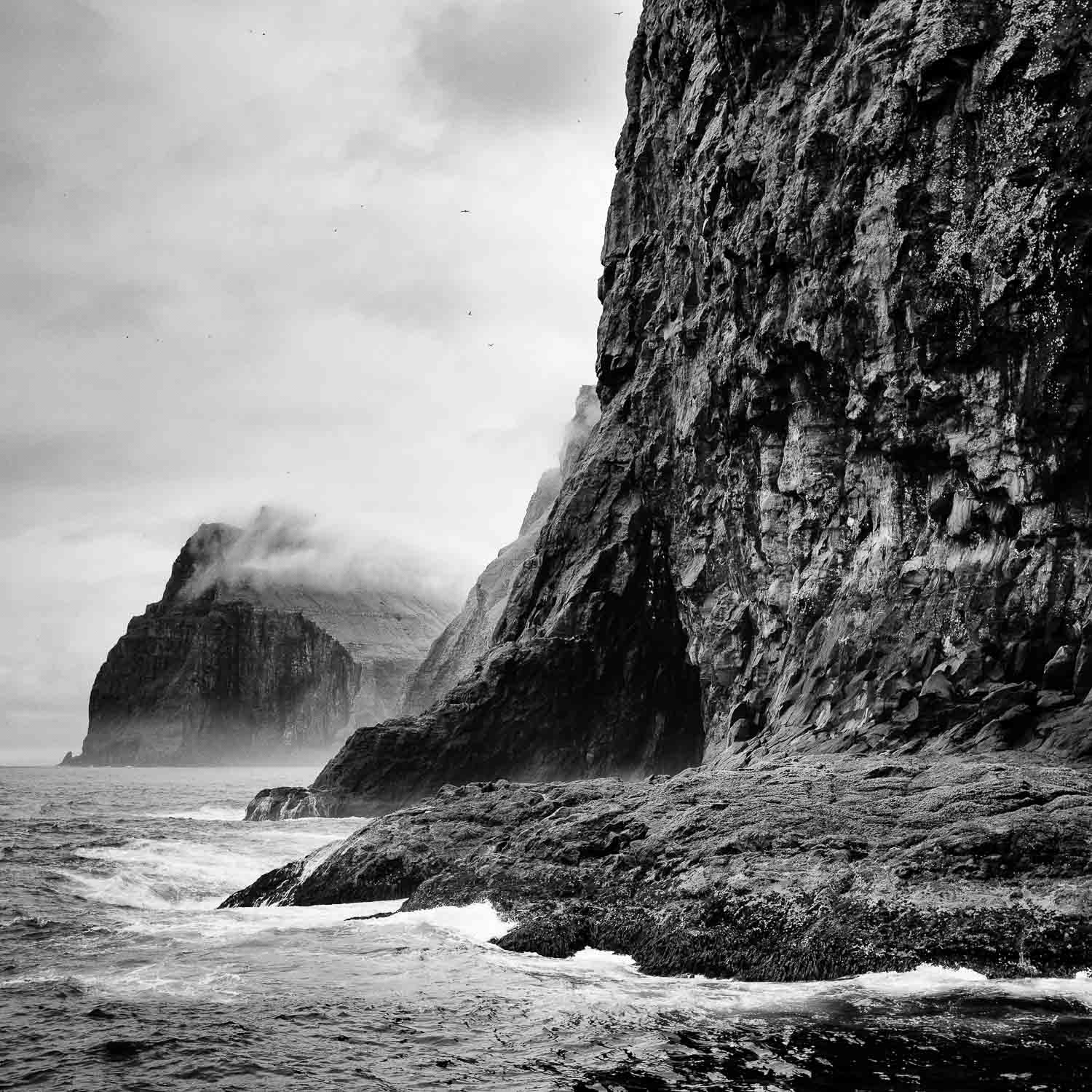 'Vestmanna Cliffs II' by Ralf Dreier |